Amy: When Typography Meets the Arcane
Decoding the Visual Language of a Mystical Typeface
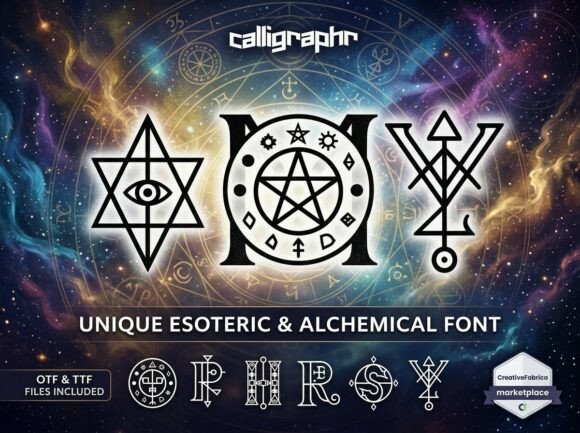
When you first encounter the Amy typeface, it doesn't just sit on the page—it beckons. This isn't your typical display font; it’s a linguistic portal constructed from esoteric sigils, celestial alignments, and the rigid perfection of sacred geometry. For designers and creatives working within the fantasy and occult niches, finding a typeface that captures the "hermetic-mysticism" aesthetic without looking kitsch is a rare find. Amy manages this balance with a surprisingly delicate line weight. The characters are woven from pentagrams and occult eye motifs, creating a texture that feels ancient yet remains legible enough for modern branding applications. It possesses a unique visual rhythm that feels less like typesetting and more like inscribing a spell.
The personality of this typeface is undeniably enigmatic. It avoids the heavy, blocky look often associated with heavy metal or aggressive gothic styles. Instead, Amy leans into the elegance of alchemical charts and vintage astronomy maps. This makes it a versatile tool for projects that need to convey mystery, wisdom, or a connection to the spiritual realm. The intricate detailing within each glyph allows for large-scale applications where the viewer can appreciate the complexity of the symbols hidden within the letterforms. It is a true creative font that challenges the boundaries between text and iconography.
Strategic Applications: From Tarot Decks to Digital Branding
Understanding where a specialized asset like Amy fits into your project pipeline is key to maximizing its impact. In the realm of independent fantasy world-building, this typeface is an immediate solution for map headers, chapter titles, and in-game signage. If you are designing a tarot deck, Amy offers a cohesive visual language that mirrors the symbolic nature of the cards themselves. The font’s inherent connection to astrology and the occult makes it a natural fit for packaging design in the metaphysical market—think candle labels, herbal tea packaging, or jewelry branding.
However, the utility of this premium font extends beyond physical goods. We are currently seeing a massive surge in the "astrology-core" and "witchy" aesthetics across social media platforms. For content creators and bloggers in the wellness and spirituality space, Amy provides a distinct edge. It works exceptionally well for:
- Social Media Headers: Creating an immediate atmospheric hook on Instagram or Pinterest profiles.
- Logo Design: Establishing a brand identity for tarot readers, astrologers, or fantasy authors that stands out from generic serif fonts.
- Editorial Design: Adding a layer of immersive storytelling to magazine covers or book jackets within the dark fantasy genre.
- Web Design: Using the font for hero sections or pull quotes to break the monotony of standard sans serif or script font pairings.
For entrepreneurs and small business owners, using Amy signals a deep understanding of your niche audience. It tells your customers that you value the aesthetic details, which builds trust in industries where vibe and atmosphere are currency.
Mastering the Mystic: Practical Guidance for Designers
While Amy is a visually striking creative font, successful implementation requires a strategic approach to typography. Because it is a highly decorative display font, it falls into the category of typefaces best used sparingly. The intricate nature of the sigils means that long blocks of body copy will become illegible and visually exhausting. Instead, reserve Amy for headlines, sub-headers, and accent text. For the body text, you need a grounding element. A clean, neutral sans serif font or a traditional serif font with high readability will provide the necessary contrast, allowing Amy’s personality to shine without overwhelming the reader.
Evaluating project fit is crucial. If your brand voice is corporate, minimal, or strictly utilitarian, Amy will likely feel out of place. However, if your project involves gothic branding, historical fiction, or holistic wellness, it becomes an invaluable design asset. When testing font pairings, look for typefaces that share a similar x-height or visual weight, even if their styles differ. For example, pairing the delicate lines of Amy with a geometric sans serif can create a modern, high-fashion look suitable for boutique cosmetics or luxury event invitations.
Before purchasing, always review the included character map. With a font like Amy, the "extras"—such as alternate glyphs, ligatures, or standalone symbols—are often just as valuable as the letters. These extras can be used as decorative elements in your layout, reinforcing the brand identity beyond just the text. Finally, ensure you understand the commercial licensing. Whether you are a hobbyist creating a personal blog or a publisher launching a global book series, the license must match the scope of your distribution to protect your work legally. By treating Amy as a strategic component of your modern typography toolkit rather than just a novelty, you can unlock a visual narrative that captivates and converts.