Bringing Whimsy to Your Designs with Spring Script
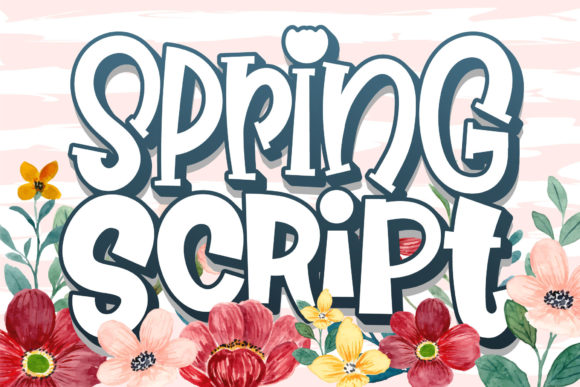
Every now and then, a typeface comes along that doesn't just sit on the page; it bounces. Spring Script is exactly that kind of font. It’s a premium display font that refuses to take itself too seriously, bringing a burst of energy to any project it touches. If you've been searching for a creative font that bridges the gap between professional polish and playful charm, you might have just found your new favorite design asset. It’s not just about legibility—it’s about personality.
Visual Characteristics: More Than Just a Handwritten Font
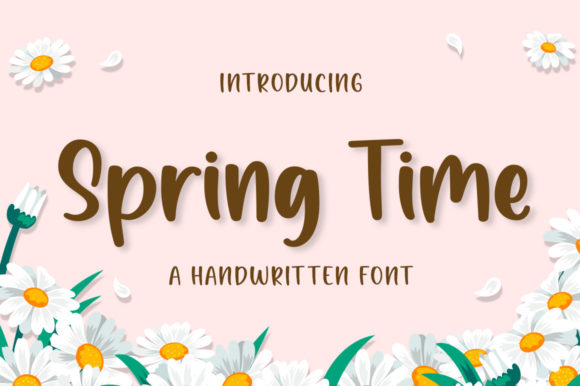
At first glance, Spring Script registers as a high-quality script font, but it has a distinct quirks that set it apart from standard calligraphy. It features bouncy baselines and varying stroke weights that mimic the natural inconsistency of human handwriting. Unlike rigid sans serif fonts, this typeface feels organic and fluid. The letterforms often feature playful loops and soft, rounded terminals, giving it a friendly and approachable vibe. It’s the kind of modern typography that feels "lived in"—like a handwritten note from a friend rather than a corporate memo.
The visual appeal of this font lies in its ability to balance readability with flair. While it is certainly decorative, it doesn't sacrifice clarity for the sake of style. The spacing is carefully considered to ensure that words remain cohesive, even with the exaggerated swashes. This makes Spring Script an excellent choice for headers where you want to capture attention immediately without overwhelming the viewer.
Where This Creative Font Shines: Real-World Applications
Understanding where to deploy a typeface like this is key to maximizing its impact. Because of its dynamic nature, Spring Script works best in environments where you need to establish a connection quickly.
Branding and Logo Design
For entrepreneurs and small business owners, brand identity is everything. If your brand voice is informal, creative, or community-focused, using Spring Script in your logo design can be a game-changer. It signals to your audience that you are approachable and human. Think about a boutique coffee shop, a handmade jewelry store, or a lifestyle blog—these brands thrive on authenticity, and this font delivers that instantly. However, for a law firm or a bank, you might want to stick to a traditional serif font or a clean sans serif font for the primary text, using Spring Script only for subtle accents.
Packaging and Product Design
Packaging design is all about shelf appeal. In a sea of rigid, corporate typography, a bouncy, handwritten font can stop a customer in their tracks. Spring Script is particularly effective for product headers or subtitles on packaging. Imagine it on a bag of artisanal granola or a bottle of craft soda. It communicates freshness and fun. When paired with a clean sans serif font for the nutritional information, it creates a perfect visual hierarchy that guides the eye naturally.
Digital Presence: Web and Social Media
In the fast-paced world of web design and social media graphics, grabbing attention is half the battle. Spring Script is perfect for Instagram stories, quote graphics, and blog post titles. It adds a layer of emotional resonance that standard system fonts lack. When used as a display font on a website, it can highlight key calls to action or featured articles, making the user experience feel more personalized and engaging.
Strategic Implementation: Readability and Pairing
Using a display font effectively requires a bit of strategy. You can't just swap out your entire body copy with Spring Script and call it a day. That’s a recipe for eye strain and poor user experience.
The golden rule here is contrast. Because Spring Script is decorative and high-energy, it needs to be grounded by something stable and easy to read. This is where font pairing comes in.
- Pairing with Sans Serif: This is often the safest and most modern bet. A geometric sans serif font (like Montserrat or Lato) provides a clean, neutral canvas that allows the script font to pop. Use the sans serif for your body text and Spring Script for your headings.
- Pairing with Serif: For a more editorial design look, try pairing it with a classic serif font (like Garamond or Merriweather). The contrast between the structured serifs and the loose script creates a sophisticated yet welcoming aesthetic.
Readability is paramount. While Spring Script is legible at larger sizes, it should never be used for long paragraphs or small body text. It is strictly a display font. If you try to force it into a 12pt caption, the details will get lost, and the text will become muddy. Always test your designs at the intended output size—whether that’s a mobile screen or a printed banner—before finalizing.
Practical Considerations: Licensing and Usage
When you decide to integrate Spring Script into your toolkit, you are investing in a premium font. It is vital to review the commercial licensing terms. Most premium fonts require a specific license for commercial use (like selling merchandise or using it in client work), distinct from a personal use license.
Check if the font package includes multiple styles or weights. Does it have a bold version? Are there alternate characters or ligatures? These extras can significantly extend the versatility of the font. For example, alternate swashes allow you to customize the look of specific letters to avoid repetition in a logo design.
Ultimately, Spring Script is a powerful tool for anyone looking to inject some joy into their visual communication. It’s a reminder that design doesn't always have to be rigid and serious. Sometimes, the best way to connect with your audience is to let your typography dance a little. Whether you are designing a wedding invitation, a social media campaign, or a new product label, this font offers a reliable way to make your message feel personal, vibrant, and unforgettable.