Buchery: The Handwritten Font with Bold, Raw Character
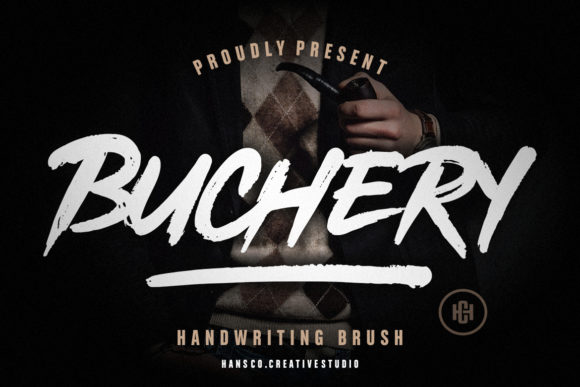
Every designer knows the struggle. You're working on a project that needs to feel authentic, personal, and a little bit rough around the edges. You want typography that doesn't look like it came off a corporate press release. That's exactly where Buchery enters the conversation. This handwritten bold display font carries a dry brush texture that gives it an unmistakable handcrafted quality, the kind of visual personality that immediately tells your audience something real is happening here.
What Makes Buchery Stand Out
Buchery isn't trying to be polished or perfect. Its letterforms carry the natural irregularity you'd expect from actual brush strokes hitting paper. The weight is substantial, making it impossible to ignore, while the texture adds depth and grit that flat digital fonts simply cannot replicate. Each character feels like it was made by a human hand, not a machine, and that distinction matters more than most people realize in a world saturated with clean, geometric typography.
The overall personality of this typeface leans toward the expressive and the bold. It has warmth, but it also has attitude. Think of the difference between a handwritten note left on a kitchen counter and a printed memo pinned to an office board. One feels intimate and real; the other feels distant and institutional. Buchery lives firmly in that first category. It speaks directly to the viewer with a voice that is confident without being aggressive, creative without being chaotic.
As a premium font, Buchery was designed with intention. The dry brush texture isn't just decorative. It serves a functional purpose by adding visual interest at larger sizes where most display fonts start to feel flat. The bold weight ensures strong presence across both digital screens and printed materials, while the handwritten quality keeps things approachable and human.
Where This Font Truly Shines
Not every typeface works everywhere, and that's actually a good thing. Buchery is a display font, which means it performs best when given room to breathe at larger sizes. Trying to set body text with it would be a mistake, but using it for headlines, logos, packaging, and promotional materials? That's where it comes alive.
For logo design, Buchery offers something genuinely valuable. It gives brands an immediate sense of personality and authenticity. A coffee roaster, a craft brewery, a handmade soap company, a boutique clothing line, a food truck, an independent bookstore. Any business that wants to signal craftsmanship, individuality, and a hands-on approach can benefit from what this typeface communicates visually.
Packaging design is another natural fit. When someone picks up a product on a shelf, the typography is one of the first things they process. Buchery's bold, textured lettering creates instant shelf appeal. It suggests that real care went into what's inside the box or bottle. That kind of visual messaging is invaluable for small businesses competing against larger brands with bigger budgets.
Editorial design and publishing professionals will find practical uses for Buchery as well. Magazine covers, book titles, chapter headings, and feature story headers all benefit from a typeface that commands attention while maintaining a personal feel. Bloggers and content creators can use it for featured images, quote graphics, and social media posts that need to stop someone mid-scroll.
Pairing and Practical Considerations
One of the most common questions designers ask about any creative font is what to pair it with. Because Buchery has such a strong personality, it works best alongside something more restrained. A clean sans serif font creates a nice contrast, letting the display type do its work while keeping supporting text highly readable. A simple serif font can also work well, especially if you want to maintain a slightly traditional or editorial feel in your overall design.
Avoid pairing Buchery with other expressive fonts like ornate script fonts or heavily stylized typefaces. Two strong voices competing for attention will create visual noise rather than a cohesive design. The goal is balance. Let Buchery carry the headline or the hero element, then use a quieter companion for everything else.
Readability deserves honest attention here. At smaller sizes, the dry brush texture that makes Buchery so appealing can become a liability. Fine details in the letterforms may get lost or muddy. Always test the font at the actual size it will appear in your final design, whether that's on a mobile screen, a printed flyer, or a product label. If legibility drops, consider using it only for the largest text elements and choosing a different typeface for smaller supporting copy.
Choosing and Using Buchery Wisely
Before committing to any commercial font for a project, take time to evaluate whether it genuinely fits the brief. Does the brand or project call for a handwritten, handcrafted aesthetic? If the answer is yes, Buchery is worth serious consideration. If the project demands sleek minimalism or formal elegance, look elsewhere. Forcing a bold handwritten typeface into a context where it doesn't belong will create a disconnect between the typography and the message.
Check what styles and weights are included with the font family. Some premium fonts come with alternates, ligatures, or multiple weights that expand your creative options significantly. Understanding what's available before you start designing prevents frustration later and helps you make the most of your design assets.
Licensing is another practical matter that deserves attention. If you're using Buchery for a commercial project, a client's brand identity, or products you plan to sell, make sure your license covers that use. Most reputable font foundries and marketplaces are clear about their terms, and respecting those terms protects both you and the type designer who created the work.
Typography shapes perception in ways that are subtle but powerful. The right typeface doesn't just look good. It reinforces your message, builds brand recognition, and connects with your audience on an emotional level. Buchery does exactly that for projects that need a human touch, a bold presence, and a sense of authenticity that polished modern typography often struggles to deliver. When used thoughtfully and paired well, it becomes more than a font. It becomes a design tool that helps tell a story people actually want to hear.