Lacoste: The Handwritten Font That Brings Bold Warmth to Your Work
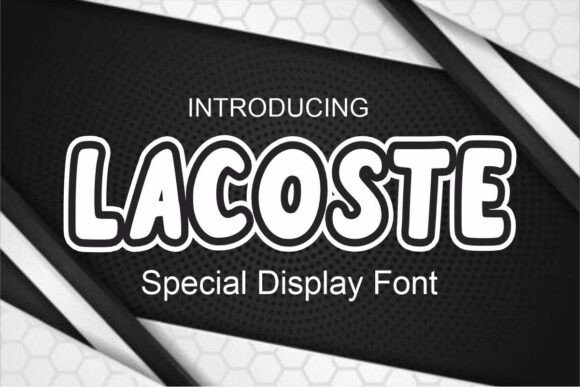
When you first see the Lacoste typeface, you immediately grasp its personality. It’s a handwritten display font that doesn’t try to be overly delicate or impossibly formal. Instead, it presents bold, confident silhouettes with a soft, approachable touch. The characters are clean and rounded, designed specifically for legibility even at larger sizes. This isn’t a font that whispers; it speaks clearly and warmly, making it a versatile tool for designers, crafters, and brand builders who want their work to feel friendly yet professional.
Think of Lacoste as the visual equivalent of a firm handshake combined with a genuine smile. Its balanced weight and smooth outline give it a sturdy presence without feeling heavy or aggressive. This combination is what makes it a standout choice in the crowded world of creative fonts. It avoids the pitfalls of being too whimsical or too plain, landing perfectly in a space that feels modern, trustworthy, and engaging.
Where Lacoste Truly Shines: Practical Applications
The true test of any premium font is how well it performs in real-world scenarios. Lacoste excels across a surprising range of projects, primarily because of its dual nature: bold enough to grab attention, yet friendly enough to invite interaction.
For brand identity and logo design, Lacoste offers a memorable foundation. A logo needs to be recognizable and reflect the brand's core values. Using Lacoste can instantly signal that a brand is approachable, creative, and customer-focused. It works exceptionally well for businesses in the lifestyle, wellness, food, or artisanal product sectors. Imagine a boutique bakery, a handmade soap company, or a local coffee roaster using Lacoste in their logo—it immediately sets a tone of crafted quality and warmth.
In packaging design, this typeface is a powerhouse. Its clean lines are optimized for vinyl cutting, which is a huge plus for small business owners creating labels, stickers, or product tags. The font’s legibility ensures that product names and key information are easy to read, even from a distance on a crowded shelf. Whether printed on kraft paper boxes or glossy labels, Lacoste maintains its character and clarity.
Digital applications are equally strong. For web design, consider using Lacoste for headings, hero sections, or call-to-action buttons. It draws the eye without overwhelming the rest of the content. On social media graphics, it’s perfect for creating quote images, promotional announcements, or Instagram stories that need to stand out in a fast-scrolling feed. Its handwritten style adds a personal, human element that static sans-serif fonts often lack.
For editorial design and publishing, Lacoste can be a fantastic accent font. Use it for chapter titles in a cookbook, pull quotes in a lifestyle magazine, or section headers in a blog post. It breaks up the monotony of body text and guides the reader’s eye through the content hierarchy. However, it’s important to pair it wisely. Lacoste works best alongside a simple, clean serif or sans-serif font for body copy. A classic serif font provides a nice contrast, while a neutral sans-serif keeps the overall look modern and minimal.
Making Smart Design Decisions with Lacoste
Choosing the right font is about more than just personal taste; it’s about fit and function. Before committing to Lacoste for a project, ask yourself a few key questions. What is the primary emotion you want to evoke? If the answer is warmth, creativity, and approachability, Lacoste is a strong candidate. Who is your audience? Its friendly style resonates well with adults across a broad age range, from young adults to those in middle age, making it a safe choice for consumer-facing brands.
Always test the font in context. Type out your actual headlines or product names. Check the spacing (kerning) between specific letter combinations. While Lacoste is designed for legibility, certain pairings in a logo might need minor manual adjustment to look perfect. Review all the included styles and weights. Does the font family offer the variation you need for different levels of emphasis? A good creative font often includes multiple weights or stylistic alternates to give you more flexibility.
Readability is non-negotiable. While Lacoste is a display font meant for headlines, never sacrifice clarity for style. If a word becomes hard to decipher at a glance, the font choice has failed its primary purpose. Test it at different sizes and on various backgrounds. A dark font on a light background will almost always be more legible than a light font on a dark background, especially with a handwritten style.
Finally, understand the licensing. If you’re using Lacoste for commercial projects—whether for a client or your own business—ensure you have the correct commercial license. This protects you legally and ensures you’re respecting the work of the typeface designer. A reputable font marketplace will provide clear licensing terms for different uses.
Final Thoughts on Integrating This Typeface
Lacoste is more than just a set of letters; it’s a design asset that carries a specific mood. It’s a modern typography solution for projects that need to feel personal and energetic without sacrificing professionalism. Its strength lies in its versatility—from crafting a compelling brand identity to creating scroll-stopping social media content or designing beautiful packaging.
Remember, the best font pairing is one where each typeface has a clear role. Let Lacoste be the star of your headlines and key messages, and support it with a more subdued companion for longer text. By doing so, you’ll create a visual hierarchy that is both beautiful and functional, ensuring your designs not only look great but also communicate effectively. In the end, that’s the goal of all good design: to connect with people clearly and meaningfully.