Guido: The Typeface That Brings Urban Grip to Your Brand
When you're building a brand, especially in the streetwear, athletic, or urban lifestyle space, your visual identity needs to speak with authority before a single word is read. It's about texture, weight, and an unmistakable presence. That's where a typeface like Guido enters the conversation. This isn't just another display font; it's a design asset forged from the very patterns of athletic performance and street credibility.
What Exactly is the Guido Typeface?
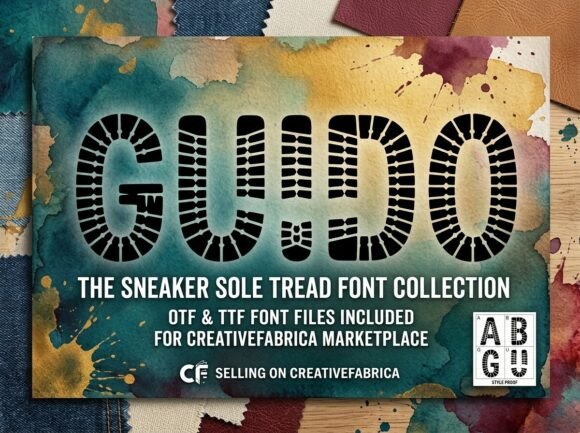
Imagine the rugged, technical tread of a high-performance sneaker sole. Now, imagine those intricate patterns of grip, horizontal ridges, and geometric traction motifs meticulously engineered into a set of bold, blocky letterforms. That's the core concept behind Guido. It's a premium font collection characterized by its massive visual weight and an athletic silhouette that feels both industrial and handcrafted.
The personality of Guido is one of raw, unapologetic strength. It doesn't whisper; it commands attention. The letterforms are constructed with a cast of textures that evoke a sense of durability and professional, street-ready character. This typeface delivers a powerful statement, making it an extraordinary tool for projects that demand to be noticed and remembered.
Where Does Guido Shine? Practical Applications
Understanding a font's strength is one thing; knowing where to deploy it is where the real design strategy comes in. Guido is purpose-built for specific contexts where impact is non-negotiable.
- Streetwear Branding & Apparel: This is Guido's home turf. Use it for logo design, hang tags, and screen-printed graphics on hoodies, tees, and caps. It immediately injects a brand with an authentic, urban athletic vibe.
- High-Impact Sports Graphics: Think event posters, tournament flyers, team logos, and social media announcements for extreme sports, basketball leagues, or fitness competitions. Its energy matches the dynamism of the subject.
- Editorial & Magazine Design: For editorial design, Guido is perfect for bold headlines in urban lifestyle magazines, music publications, or sports sections. It sets a powerful tone for the article that follows.
- Digital & Social Media: Create scroll-stopping YouTube thumbnails, Instagram story backgrounds, or website hero sections. In web design, it works exceptionally well for large headings and call-to-action buttons where clarity and impact are paramount.
- Packaging & Product Design: For products targeting an active, urban demographic—think energy drinks, skate gear, or street-smart accessories—Guido can elevate packaging design with its tactile, gritty appeal.
Influencing Perception: The Strategic Value of a Strong Font
Choosing a typeface like Guido is a strategic decision that influences multiple facets of your project's success. It directly shapes how your audience perceives your brand.
First, it establishes an immediate visual hierarchy. Its heavy, blocky nature means it will dominate any layout, making it ideal for headlines and key messaging. This ensures your most important information is seen first. Second, it powerfully reinforces brand perception. A brand using Guido is perceived as confident, strong, and connected to urban culture and athletic performance. This consistency across touchpoints builds recognition and a professional, cohesive brand identity.
However, this strength requires careful handling. Guido is a specialist. Using it for long paragraphs of body copy would severely hinder readability. Its role is to headline, to accent, and to make a statement. For body text, you'll need a complementary sans serif font or a highly readable serif font that can provide contrast and ensure your message is communicated clearly.
A Practical Guide to Working with Guido
Ready to put Guido to work? Here’s how to approach it like a seasoned designer.
- Evaluate Project Fit: Ask yourself if your project's core message aligns with Guido's personality. Is it about strength, urban energy, performance, or gritty authenticity? If yes, it's a strong candidate.
- Master the Font Pairing: This is critical. Pair Guido with a clean, geometric sans serif font like Montserrat or Futura for a modern, balanced look. For a more classic contrast, try it with a sturdy, transitional serif font. Avoid pairing it with other decorative script fonts or handwritten fonts, as the styles will clash.
- Review Included Styles: A quality commercial font like Guido often comes with a family of weights and styles. Explore these options. You might find a slightly lighter weight offers more flexibility while retaining the core character.
- Test for Readability: Always test your chosen words and phrases at the intended size. Some complex letter combinations in heavily textured fonts can become muddy. Check for clarity in both digital and print mockups.
- Understand Licensing: For any professional, commercial font, verify the licensing. Ensure it covers your intended use, whether for a client's logo, merchandise, digital ads, or social media graphics. This is a non-negotiable step in professional practice.
In the landscape of modern typography, Guido stands out as a specialized tool. It’s not for every project, but for the right one, it becomes an indispensable part of the design assets toolkit. It’s the font you reach for when you need to inject your brand with handcrafted strength and ensure every headline leaves an unforgettable, street-ready impression. Use it with intention, and it will do the heavy lifting for your brand's visual voice.