Softbox: The Modern Display Font with a Cool Vibe
More Than Just Letters: Understanding Softbox's Unique Character
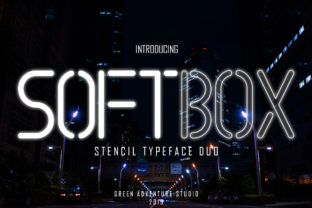
When you first encounter Softbox, its personality is immediately clear. This isn't a font that whispers; it speaks with a confident, contemporary voice. As a modern and round display font, its defining features are its soft, geometric letterforms and a subtle futuristic edge. Think of it as the typographic equivalent of a sleek, well-designed piece of tech—it feels both approachable and innovative. The rounded terminals and consistent stroke width give it a friendly, open appearance, while the overall structure maintains a clean, professional precision. This balance is what creates its distinct "cool vibe," making it a standout choice for projects that need to feel current and engaging without being overly aggressive.
Unlike a traditional serif font that conveys heritage or a script font that evokes personal touch, Softbox operates in a different space. It's a premium font designed for impact at larger sizes, making it an ideal display font for headlines, logos, and short bursts of impactful text. Its strength lies in its ability to capture attention and set a mood instantly. The visual weight is substantial enough to anchor a design, yet the rounded forms prevent it from feeling heavy or intimidating. This makes it a versatile tool in a designer's toolkit, capable of adapting to various contexts while always injecting that signature modern aesthetic.
Where Softbox Shines: Practical Applications for Creators and Brands
The true test of any typeface is how it performs in the wild. Softbox excels in scenarios where clarity of message and contemporary appeal are paramount. For logo design, it offers a strong foundation for brands that want to project innovation, approachability, and a forward-thinking mindset. Think of a boutique tech startup, a modern wellness brand, or a creative agency—Softbox can instantly communicate their core identity. In packaging design, its clean legibility ensures product names and key information stand out on crowded shelves, particularly for items targeting a design-savvy demographic.
In the digital realm, this creative font proves its worth repeatedly. It's a powerhouse for social media graphics, where scroll-stopping power is essential. A bold headline set in Softbox can make a quote, announcement, or promotional post instantly more shareable. For web design, it works beautifully for hero section headers, call-to-action buttons, and other elements that guide user interaction. Its geometric nature ensures it renders crisply on screens, which is a non-negotiable for modern digital projects. When it comes to editorial design, such as magazine spreads or blog feature images, it can be used for pull quotes and section headers to inject energy and visual interest into a layout.
Pairing for Perfection: Building a Cohesive Typographic System
No font is an island, and knowing how to build effective font pairing strategies is key to professional results. Softbox's bold personality means it often plays best with a more neutral companion. A clean, geometric sans serif font for body text can create a harmonious and highly readable system, allowing Softbox to command attention in headlines without overwhelming the reader. For a different feel, pairing it with a classic, sturdy serif font can create an interesting contrast between modern and traditional, often lending a sense of established credibility to the contemporary vibe.
When evaluating a project's fit, consider the audience and the message. Softbox naturally appeals to adults in the 20-50 range who appreciate modern aesthetics—think entrepreneurs, marketers, and fellow creatives. It might not be the right choice for a historical documentary or a vintage-themed wedding invitation, but it's perfect for a product launch, a podcast cover art, or a personal brand looking to stand out. Always test it in context. Mock up your headline, your logo, or your social post. See how it interacts with your color palette and imagery. This hands-on evaluation is more valuable than any theoretical discussion.
Working with Softbox: Practical Tips and Considerations
Integrating a new display font into your workflow requires a few practical checks. First, review the styles and weights included with your font purchase. Does it offer bold, light, or italic variations? These can provide flexibility for creating visual hierarchy within your designs. Next, conduct rigorous readability tests at the intended size and on the intended medium. A font that looks stunning as a 100px headline on your monitor might lose clarity when used smaller or in certain print conditions. Its round forms generally aid legibility, but always verify.
Finally, ensure you understand the commercial licensing terms. If you're using Softbox for a client project, a product for sale, or widespread marketing materials, you need the correct license. Reputable design assets marketplaces make this clear. Treating fonts as licensed software is a mark of professionalism and protects both you and your clients. By approaching modern typography with this level of care—from selection and pairing to testing and licensing—you transform a cool-looking typeface like Softbox into a powerful tool for building a strong, recognizable, and professional brand identity. It’s not just about choosing a creative font; it’s about making a strategic decision that elevates your entire project.