Angker: Crafting a Bold and Authentic Brand Identity
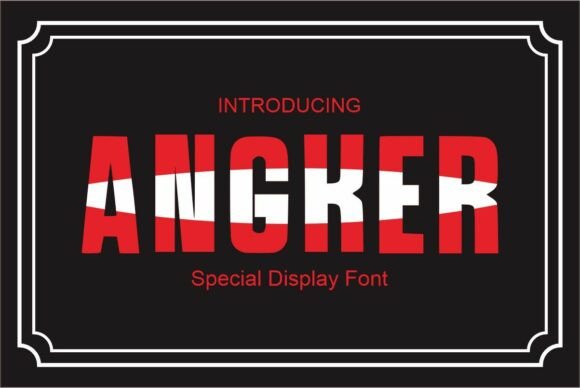
In the crowded landscape of modern typography, finding a typeface that balances personality with professionalism is a genuine challenge. Too often, fonts that look friendly appear childish, while fonts that look professional feel cold and distant. This is the gap that Angker bridges. As a premium handwritten display font, Angker offers a distinct visual voice characterized by bold, oversized silhouettes and a clean, rounded aesthetic. It is not merely a set of letters; it is a design asset that brings a tangible sense of warmth and confidence to any project.
The defining characteristic of Angker is its "bold & effortless" nature. Unlike traditional script fonts that rely on thin, delicate strokes and complex ligatures, Angker focuses on weight and readability. The characters are substantial, ensuring that they hold their own against busy backgrounds or vibrant imagery. For designers and entrepreneurs, this means you can use Angker for critical messaging without worrying about the text getting lost. It feels handcrafted, yet it maintains a structure that supports legibility—a rare combination that makes it an essential tool for contemporary branding.
Why Visual Weight Matters in Branding
When building a brand identity, the typography you choose acts as the voice of your brand. A sans serif font might whisper efficiency, but a handwritten font like Angker speaks with warmth and approachability. However, Angker goes a step further by incorporating a "strong, bold touch." This visual weight influences how your audience perceives your message. Heavier typography often conveys stability, reliability, and importance. By using Angker, you are subconsciously telling your audience that your brand is grounded and confident, yet approachable enough to feel human.
Consider the difference in visual hierarchy. In editorial design or web design, you need headers that command attention immediately. Angker’s clean, rounded characters are specifically designed for this maximum impact. Because the letters are optimized for clean cutting, there are no jagged edges or overly thin swashes that might break up the flow of the design. This makes it an incredibly versatile creative font. Whether you are designing a hero section for a website or the main title of a magazine spread, Angker provides the necessary contrast against lighter body text, such as a standard serif font or a minimal sans serif font.
Practical Applications: From Digital Screens to Physical Products
One of the most practical advantages of Angker is its seamless transition from digital to physical mediums. Many designers struggle with fonts that look great on screen but fail when printed or cut from vinyl. Angker is the "crafter's dream" because it has been optimized specifically for these applications. The smooth outline and balanced weight ensure that vinyl cutting machines can trace the letters without snagging or creating uneven edges.
This makes Angker a powerhouse for packaging design and merchandise. Imagine a coffee bag, a boutique candle label, or a t-shirt design. You need a typeface that looks printed, not just typed. Angker delivers that tactile, handmade quality. It is perfect for small business owners who want to create a cohesive look across their products and their Instagram marketing. It works beautifully on:
- Social Media Graphics: Creating thumb-stopping headers for quotes, announcements, and sales.
- Logo Design: Crafting wordmarks that feel personal, energetic, and memorable.
- Packaging Design: Labeling products where a "craft" or "artisan" aesthetic is desired.
- Web Design: Using it for call-to-action buttons or section headers to break the monotony of standard web fonts.
Font Pairing and Design Strategy
While Angker is a standout display font, no design exists in a vacuum. Effective typography relies on strong font pairing. Because Angker has such a distinct personality—bold, rounded, and handwritten—it requires a partner that plays a supporting role rather than competing for attention. You do not want to pair Angker with another script font or a highly decorative serif font. Instead, look for balance.
A clean, geometric sans serif font is often the best companion for Angker. The simplicity of a sans serif provides a "breathing room" for the eye, allowing the boldness of Angker to shine without overwhelming the viewer. For example, if you are designing a brochure, use Angker for the headlines to inject energy and personality, and use a legible sans serif for the body copy to ensure the information is easy to digest. This contrast creates a professional visual hierarchy that guides the reader naturally from the headline to the details.
Evaluating Fit and Readability
While Angker is designed for legibility, it is important to remember its classification as a display font. This means it is intended for short bursts of text—headlines, titles, logos, and callouts—rather than long paragraphs. Using a bold handwritten font for body text can quickly lead to visual fatigue for the reader. To get the most out of this typeface, reserve it for the moments where you need to make a statement.
When evaluating if Angker fits your project, consider the emotional tone you wish to set. It excels in environments that value creativity, approachability, and a personal touch. It is an excellent choice for lifestyle blogs, creative agencies, bakeries, children’s education materials, and fashion branding. If your brand identity relies on being strictly corporate, austere, or ultra-minimalist, Angker might feel too casual. However, for the vast majority of modern branding needs—where human connection is key—Angker offers a robust solution.
Commercial Licensing and Asset Management
For entrepreneurs and content creators, the technical side of design assets is just as important as the visual side. When investing in a premium font like Angker, it is vital to understand the commercial licensing. A commercial font license allows you to use the typography in projects that generate revenue, whether through client work, merchandise sales, or digital products.
Before finalizing your design, always review the specific license terms included with the font. This ensures you are compliant whether you are creating a logo for a client or selling t-shirts on an e-commerce store. Treating your fonts as professional assets not only protects your business legally but also ensures consistency. Once you adopt Angker as part of your brand toolkit, you can apply it across all your marketing channels—from email headers to business cards—creating a unified brand experience that feels intentional and crafted.
Ultimately, Angker is more than just a collection of characters; it is a tool for expression. It allows designers and business owners to add a layer of personality that static, standard fonts cannot achieve. By leveraging its bold structure and clean lines, you can create designs that don't just look good, but feel real.