Dive into Design: Why the Ocean Font Makes Waves
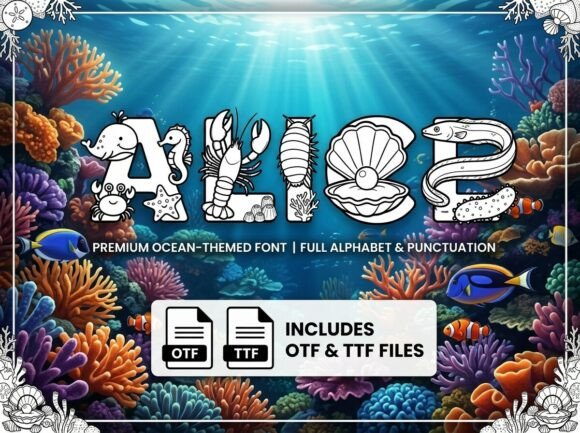
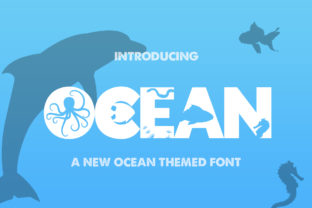
If you have ever looked at a standard corporate typeface and felt a distinct lack of personality, you understand the challenge of modern branding. We are living in an era where visual noise is everywhere, and standing out requires more than just clean lines. It requires character. This is exactly where the Ocean display font steps in, offering a refreshing departure from the rigid geometries of Helvetica or the overused elegance of Garamond. Ocean is not just a collection of letters; it is a visual experience that captures the rhythmic, flowing energy of the sea. Designed with nautical motifs embedded into the very structure of its characters, this typeface brings an immediate sense of adventure and friendliness to any project.
As a designer or content creator, you know that typography sets the mood before a single word is read. Ocean features a unique aesthetic where the curves of the letters mimic the rolling tides, and the serifs or terminals often resemble subtle waves or maritime instruments. It balances being a premium font with a handcrafted feel. It doesn't scream for attention with aggressive spikes or sharp edges; instead, it invites the viewer in with its approachable, rounded forms. This makes it an ideal candidate for projects that need to feel welcoming, organic, or connected to nature and travel. Whether you are building a brand from scratch or refreshing an existing visual identity, understanding how to leverage this specific display font can be the difference between a design that floats and one that truly sails.
The Visual Anatomy of a Friendly Typeface
When we talk about the "personality" of a typeface, we are really discussing the sum of its visual parts. With Ocean, the personality is undeniably cheerful and relaxed. Unlike a stark sans serif font that prioritizes neutrality, Ocean embraces decorative elements. You might notice that certain letters have extended swashes that look like splashing water, or perhaps the crossbars are slightly tilted to suggest movement. This creates a dynamic visual hierarchy. It draws the eye specifically to headlines and logos, making it a powerhouse for logo design where you need instant recognition.
However, the charm of a creative font like this lies in its versatility. While it is distinct, it avoids being so "gimmicky" that it becomes unreadable. The x-height is generous, and the letter spacing is generally open, ensuring that words remain legible even when the letters are heavily stylized. This is a crucial distinction. Many decorative fonts fail because they sacrifice function for form. Ocean manages to maintain a friendly readability that works well for short bursts of text, such as taglines, sub-headers, or call-to-action buttons. It pairs beautifully with clean, minimalist typography. Imagine using Ocean for your main headline and a neutral serif font for your body copy; this contrast creates a professional yet playful tension that keeps the reader engaged.
Strategic Applications: From Packaging to Pixels
Choosing the right font is less about what looks "cool" on a mood board and more about context. Where does Ocean actually work best? The answer lies in industries and projects that value connection, leisure, and authenticity. If you are in the hospitality sector, particularly travel agencies, surf schools, or beachside resorts, this font is a natural fit. It instantly communicates the vibe of the establishment without needing a lengthy explanation.
Beyond the obvious nautical themes, Ocean has found a strong foothold in packaging design. Think about the booming market of sustainable goods, organic skincare, or artisanal foods. Brands in these spaces often struggle to look premium without looking sterile. Ocean bridges that gap. Its hand-drawn qualities suggest that a real human crafted the product, while its structured spacing ensures it looks professional on a shelf. For small business owners and entrepreneurs, this is gold. You can use it for product labels, shopping bags, and thank-you cards to create a cohesive unboxing experience.
In the digital realm, the utility of this typeface expands further. Social media graphics are the frontline of modern marketing, and attention spans are short. A bold, wave-inspired header using Ocean can stop the scroll. It works exceptionally well for lifestyle bloggers, travel influencers, and wellness coaches who need their visuals to match a specific mood. Furthermore, in web design, it serves as a fantastic accent font. While you shouldn't use it for your 500-word blog post (that would be a readability nightmare), using it for your navigation menu, footer headers, or 404 error page adds a layer of personality that users remember.
Mastering the Mix: Pairing and Hierarchy
One of the most common mistakes I see in editorial design and marketing materials is the "font overload." Just because a typeface is beautiful doesn't mean it should stand alone. The real magic of the Ocean font happens when you pair it correctly. Because Ocean is a display font with high visual interest, it demands a supporting cast that is quiet and supportive.
A classic pairing strategy is to combine Ocean with a geometric sans serif font like Montserrat or Lato. The clean lines of the sans serif will ground the whimsical nature of Ocean, ensuring your layout feels organized rather than chaotic. Alternatively, if you are going for a more rustic, vintage look, pairing Ocean with a simple script font or a handwritten font can work, provided the x-heights are compatible. However, be careful not to have two competing scripts; let Ocean be the star of the show.
Consider the hierarchy of your information. Use Ocean for the "Hero" text—the main message you want to convey. This could be the title of a magazine cover, the main heading of a poster, or the name of a product. Then, drop down to your secondary font for the details. This creates a clear path for the reader's eye, guiding them from the artistic hook to the informational content. In brand identity manuals, this is often codified as "Primary Display" versus "Secondary Body" typography. Defining these roles early prevents your designs from looking cluttered.
Practical Considerations for Professionals
Before you download and install any new typeface, you need to look under the hood. As a professional, your design assets need to be reliable. When evaluating Ocean, check the character map. Does it include multilingual support? If you have international clients, this is non-negotiable. Does it include ligatures and alternates? High-quality modern typography often includes alternative versions of letters (like a different style 'g' or 'y') that help the text flow better and avoid repetitive shapes.
Legibility testing is another step you cannot skip. Set the font in the size you intend to use it. If it’s for a billboard, test it at a distance. If it’s for a mobile screen, test it on a phone. While Ocean is generally legible, display fonts can sometimes lose detail on low-resolution screens. Finally, check the commercial font licensing. This is the boring part of design, but it is vital. Ensure the license covers your intended use—whether that is for a client's logo, merchandise (like t-shirts or mugs), or digital templates. Using a font outside its license can lead to legal headaches down the road.
Ultimately, the Ocean font is more than just a stylistic choice; it is a strategic tool for creators who want to inject warmth and personality into their work. It appeals to the adult professional who values design that feels human and approachable. By integrating it thoughtfully into your brand identity and pairing it with solid typographic principles, you can create designs that not only look beautiful but also effectively communicate your message. Whether you are a crafter making invitations or a marketer designing a campaign, Ocean offers a refreshing current of creativity. Dive in and see where the tide takes you.