Retro Grunge: Infusing Authentic Edge into Modern Design
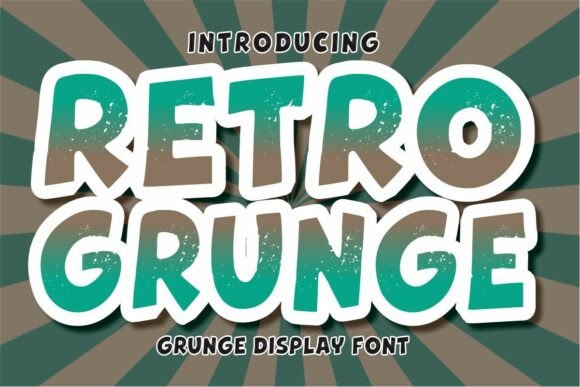
If your design work feels a little too polished, a bit too sterile, or missing that raw energy that grabs attention, you’re likely looking for a typeface with grit. Retro Grunge is not just another font; it is a design asset built to break the mold. It draws heavy inspiration from worn textures, vintage typography, and the uncompromising rugged aesthetic of the underground. By combining strong capital letters with a scratched, distressed effect, this typeface offers an immediate shortcut to creating designs that feel lived-in, authentic, and undeniably bold.
The Visual Character of a Distressed Typeface
When you look at Retro Grunge, the first thing you notice is the texture. It doesn’t sit quietly on the page. Instead, it shouts. The visual characteristics are defined by heavy strokes, irregular edges, and the intentional "noise" of wear and tear. This isn't the clean geometry of a modern typography experiment; it is a display font that embraces imperfection. The personality of the font is rebellious, nostalgic, and confident. It carries the weight of history—specifically the history of punk rock flyers, garage band posters, and 90s streetwear tags—while remaining sharp enough for contemporary graphic design.
The appeal lies in its ability to create a strong visual impact without needing a complex layout. Because the letterforms themselves carry so much texture and detail, a simple composition can look incredibly sophisticated. It acts as a visual anchor, grounding your design in a specific mood. For creative professionals, this is a premium font that solves the problem of how to make text look "finished" and "artistic" simultaneously. It bridges the gap between raw artistic expression and professional execution.
Strategic Applications: Where Retro Grunge Fits Best
Choosing the right tool for the job is half the battle in design. Retro Grunge is a specialized typeface, meaning it shines brightest in specific contexts. It is not designed for long-form body copy in an annual report, but it is a powerhouse for headlines and branding elements.
- Apparel and Streetwear: This is the font’s native environment. It captures the essence of street culture, skateboarding, and music merchandise perfectly. It pairs well with distressed denim and heavy cotton textures.
- Logo Design and Branding: If a brand wants to project an image of durability, authenticity, or rebellion, this creative font is an excellent choice. It works exceptionally well for coffee roasters, craft breweries, barbershops, and outdoor adventure companies.
- Album Covers and Event Posters: The energy of Retro Grunge mimics the visual language of the music industry, particularly rock, metal, and indie genres. It instantly sets a mood of excitement and raw performance.
- Packaging Design: In a crowded market, shelf appeal is everything. Using a rough, tactile-looking font like this on labels or boxes creates a sensory experience before the customer even touches the product.
- Digital Content and Social Media: On platforms like Instagram or TikTok, you have milliseconds to stop a scroll. Bold, textured typography stands out against the smooth gradients and photos typical of social feeds.
Impact on Brand Perception and Hierarchy
Typography is psychology. The fonts you choose tell your audience how to feel about your brand before they read a single word of your message. When you implement Retro Grunge, you are signaling a specific set of values. You are telling your audience that you value authenticity over perfection and substance over superficiality.
In terms of visual hierarchy, this typeface is a dominant force. Because of its high-contrast textures and bold weight, it naturally sits at the top of the pyramid. It draws the eye immediately, making it ideal for H1 headers in editorial design or hero sections in web design. However, this dominance requires balance. If every element on the page is "grungy," the design becomes chaotic. The strength of Retro Grunge is best realized when it is paired with cleaner elements.
For brand recognition, consistency is key. Using a unique display font like this helps create a memorable signature. If a customer sees your flyer, recognizes the gritty texture of the font, and connects it to your brand identity, you have succeeded. It moves your branding from generic to distinctive. It fosters engagement because it feels human; the scratches and imperfections remind the viewer that a real person created this, not just a computer algorithm.
Practical Guidance for Implementation
Adopting a new commercial font into your toolkit requires a bit of strategy. To get the most out of Retro Grunge, consider these practical design observations:
Mastering Font Pairing: The golden rule of font pairing is contrast. Since Retro Grunge is loud, textured, and uppercase-heavy, it needs a partner that is quiet, clean, and legible. Avoid pairing it with other distressed fonts or overly ornate script fonts. Instead, look for a reliable sans serif font or a classic serif font for your body copy. A clean sans serif will let the grunge headers pop, while a serif font can add a touch of editorial elegance to balance the rawness.
Readability Considerations: Because this is a textured display font, legibility drops significantly at small sizes. The "scratched" details that look cool on a poster banner will turn into visual mud on a 12px web footer. Use Retro Grunge for headlines, titles, and logos—large-scale applications where the texture can be appreciated. For subtitles and body text, switch to a standard, highly readable typeface.
Evaluating Project Fit: Not every project needs grit. If you are designing for a luxury spa, a medical clinic, or a high-tech SaaS startup, Retro Grunge might send the wrong message. Assess the personality of the project. Does it need to feel warm, handcrafted, edgy, or historical? If the answer is yes, this font is a strong contender. If the project requires sterile precision or minimalist futurism, you might look elsewhere.
Licensing and File Formats: When downloading design assets, always verify the license. Ensure you have the correct commercial license if you are using the font for a client project, merchandise, or app development. Check that the font package includes various file formats (like OTF, TTF, and WOFF) to ensure compatibility across different software and platforms, whether you are working in Adobe Illustrator, Photoshop, or a web builder.
Ultimately, Retro Grunge is more than just a typeface; it is a mood setter. It brings a level of depth and character to logo design, packaging design, and social media graphics