Fluid: The Display Font for High-Impact Visuals
A Typeface with Artistic Force
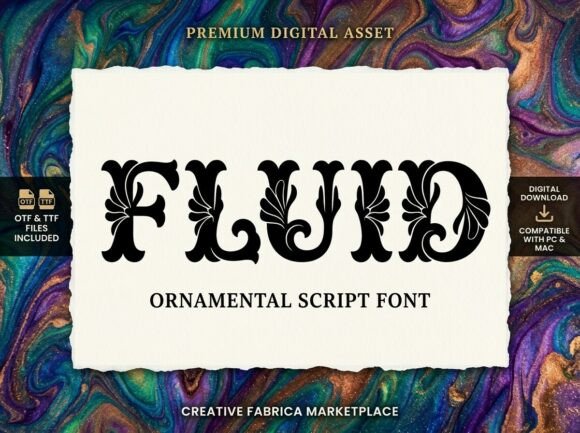
When a design calls for presence, you need a typeface that doesn't just sit on the page but commands it. Fluid is precisely that kind of font. As a premium display font, its primary role is to create immediate visual impact through unique artistic forms and a strong, unmistakable personality. This isn't a workhorse body text; it's a specialized tool for headlines, logos, and any project where the typography itself is a key design element. The visual style of Fluid is characterized by its bold, decorative letterforms. Each capital letter is crafted as a distinct visual piece, often featuring interesting curves, weight distributions, or subtle stylistic flourishes that set it apart from standard sans serif or serif font options.
The overall appeal of this creative font lies in its confidence. It projects modernity and a willingness to break from conventional, safe choices. For designers and creators, this presents an opportunity. Using a typeface like Fluid in your font pairing strategy can instantly elevate a project from ordinary to memorable. It speaks to an audience that appreciates artistry and bold statements, making it particularly effective for brands in creative industries, fashion, entertainment, or luxury goods seeking a distinctive brand identity.
Where Fluid Truly Shines: Practical Applications
Understanding a font's strengths is key to using it effectively. Fluid is a versatile display font, but its impact is maximized in specific contexts. Think of it as your go-to for moments that need to be visually loud and clear. Here’s where it works best:
- Logo Design and Brand Marks: A logo sets the first impression. Fluid's strong visual personality can form the core of a memorable wordmark for a boutique, studio, or creative agency. Its all-caps nature ensures a consistent, powerful presence.
- Editorial and Packaging Design: On a magazine cover or a product box, the headline does the heavy lifting. Using Fluid for a main title or product name guarantees it will grab attention on a crowded shelf or webpage. It’s excellent for creating a clear visual hierarchy, with the bold Fluid headline drawing the eye first.
- Web Design and Social Media Graphics: In digital spaces where users scroll quickly, you have milliseconds to make an impact. A Fluid headline on a landing page or a bold title on an Instagram graphic can stop the scroll. It translates well to screens, maintaining its sharp, polished finish.
- Event and Poster Design: For music festivals, gallery openings, or conference titles, this font sets the tone immediately. It conveys energy and modern typography sensibilities, appealing directly to a target audience of creatives and trendsetters.
It’s less suited for long paragraphs or small-scale body copy due to its decorative nature and all-caps format. Its purpose is singular and powerful: to be the center of attention in key, high-impact areas of your design.
Integrating Fluid into Your Creative Workflow
Choosing a new font is a strategic decision. Here’s practical guidance on evaluating and implementing Fluid. First, consider your project’s core message. Does your brand or client value uniqueness, boldness, and artistic expression? If the answer is yes, Fluid is likely a strong candidate. If the project requires a conservative, traditional, or highly readable body text font, you would look elsewhere—perhaps pairing Fluid with a clean sans serif font for supporting text.
Testing is non-negotiable. Always view the font in context. Mock up a headline in your actual layout. Check its readability at the intended size and on the intended medium (print vs. screen). A crucial note: Fluid is an all-caps (uppercase only) display typeface. This is a deliberate design choice for maximum impact, not a limitation. It means every letter is treated as a decorative initial, perfect for headlines and logos where you want uniform strength. You would not use it for writing a sentence with normal capitalization rules.
When it comes to font pairing, let Fluid be the star. Pair it with a neutral, highly legible companion. A classic serif font for body text can create a sophisticated contrast, while a simple sans serif font maintains a modern, clean feel. The key is contrast in function: the artistic display font for impact, the simple text font for readability.
Finally, consider the practical deliverables. You will receive OTF and TTF files, covering professional design software and universal compatibility. For any commercial project, ensure you understand the licensing terms. A professional font like this is a valuable design asset, and using it correctly within its license protects both you and the font’s creator.
In essence, Fluid is more than just a set of letters. It’s a design tool for crafting bold visual statements. When used thoughtfully, it can significantly influence brand perception, inject personality into marketing materials, and ensure your key messages are impossible to ignore. It’s for the creator who wants their work to feel intentional, artistic, and professionally polished.