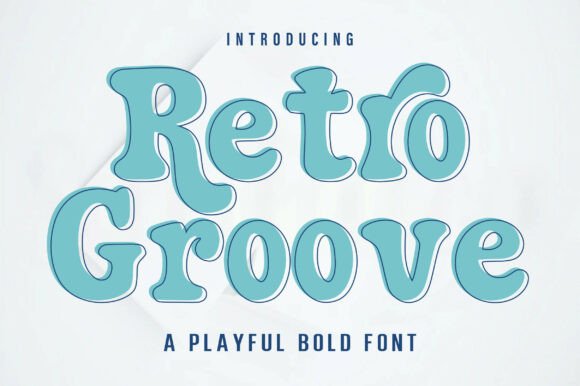
Retro Groove: A Typeface That Captures Vintage Charm
You know the feeling when a design just clicks? It has that unmistakable energy, a personality that pops off the screen or the page. That’s the power of a well-chosen display font, and Retro Groove is a perfect case study. It’s not just a collection of letters; it’s a vibe. This premium font takes the bold, optimistic shapes of vintage design and filters them through a contemporary lens, giving you a tool that’s both nostalgic and fresh.
So, what exactly defines this typeface? Think smooth curves and substantial, thick strokes. The letterforms are rounded and soft, avoiding sharp edges for a friendlier, more approachable feel. But the real magic is in the details. Retro Groove often employs a subtle shadow effect and a soft color palette in its default presentation, adding a layer of depth and dimension you don’t always find in a creative font. It’s this combination—playful shapes with a hint of visual weight—that gives it such a dynamic and engaging presence.
Where Does Retro Groove Truly Shine?
Knowing a font looks cool is one thing. Knowing where to actually use it is where the practical value lies. This isn’t your go-to for body copy in a novel; it’s a specialist. Its strength is in grabbing attention and setting a mood instantly.
For logo design and brand identity, Retro Groove can be a game-changer. Imagine it on the sign for a boutique coffee shop, a vinyl record store, or a craft brewery. It communicates authenticity and a fun, curated experience. It tells customers you care about style and have a distinct point of view. It’s equally powerful in packaging design, where shelf appeal is everything. A product using this display font stands out because it feels joyful and confident.
Beyond branding, its applications are wide and varied:
- Editorial Design & Publishing: Use it for chapter titles, magazine headlines, or book covers to inject energy and a retro flair.
- Web Design & Social Media Graphics: Perfect for hero sections, banner ads, Instagram stories, and YouTube thumbnails where you need to stop the scroll.
- Event & Promotional Materials: Think posters for a music festival, flyers for a retro-themed party, or invitations that need a playful punch.
- Personal & Hobby Projects: From crafting custom t-shirts and stickers to designing unique stationery or party decor, it adds a professional, stylish touch.
Making It Work: Practical Tips for Designers and Creators
Choosing a commercial font like Retro Groove is an investment in your project’s visual language. Here’s how to integrate it effectively.
Evaluating the Fit
First, consider your project’s core message. Does it call for nostalgia, fun, and boldness? If you’re designing for a serious law firm or a minimalist tech startup, this might not be the right fit. But for anything that benefits from a lively, stylish, and energetic vibe, it’s worth serious consideration. Always test it with your actual content—your brand name, your key headline—to see how the letterforms interact.
Mastering Font Pairing
A display font like this needs a partner. Its personality is strong, so pairing it with another loud font would create chaos. The classic strategy is to let Retro Groove own the headlines and pair it with a clean, neutral sans serif font or a timeless serif font for body text. This creates a clear visual hierarchy, ensuring readability while letting the display font do its job of capturing attention. Think of it as a lead singer with a solid rhythm section.
Considering Readability and Licensing
While its balanced design aids readability at larger sizes, it’s not meant for fine print. Use it for short, impactful text. Always check the font package for included styles—does it come with alternates, ligatures, or multiple weights? These extras can significantly expand your design possibilities. Finally, verify the commercial font license. Understand what it covers: can you use it for client work, merchandise, or digital products? Getting this right is part of professional practice.
Ultimately, Retro Groove is more than just a retro font. It’s a versatile design asset that can inject personality and memorability into a wide range of projects. By understanding its strengths and applying it thoughtfully, you can leverage its unique charm to create designs that don’t just look good, but feel genuinely engaging. It’s about choosing the right tool for the creative job at hand.